


SPATI-I

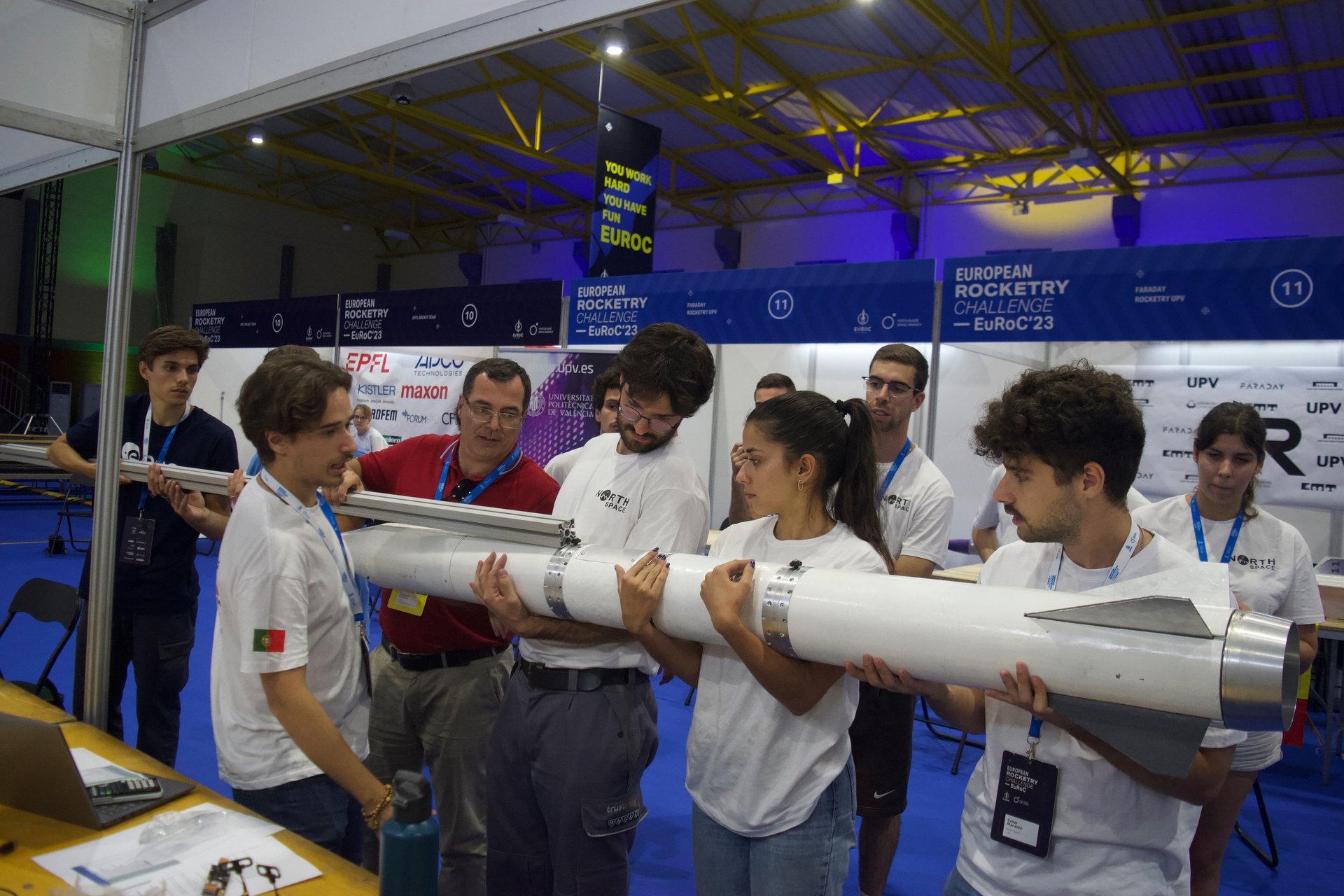
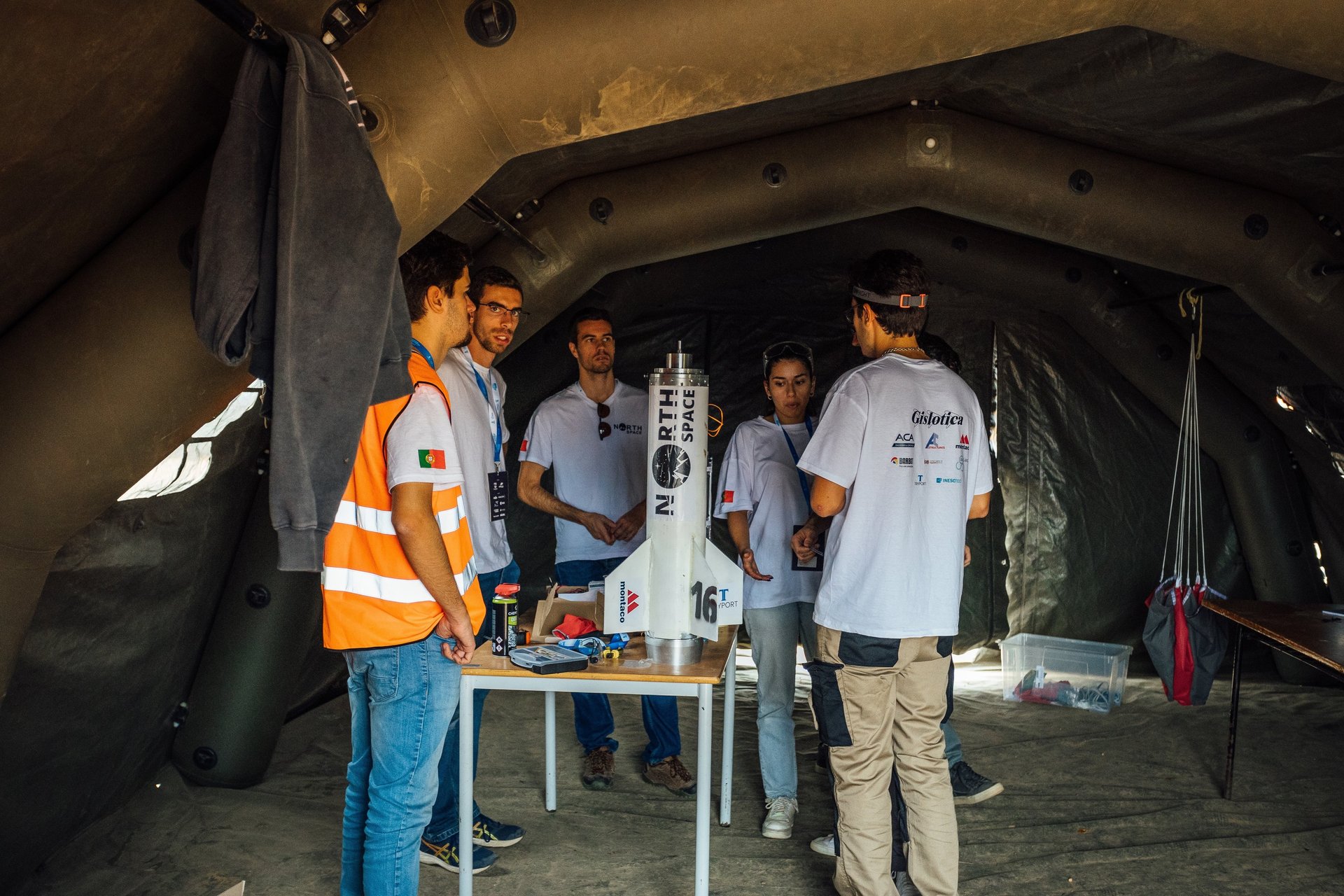
SPATI-I was North Space’s first rocketry project and marked the association’s entry into hands-on aerospace engineering. The project focused on the design, development, and testing of a solid-propellant sounding rocket, integrating key subsystems such as propulsion, structures, avionics, and recovery.
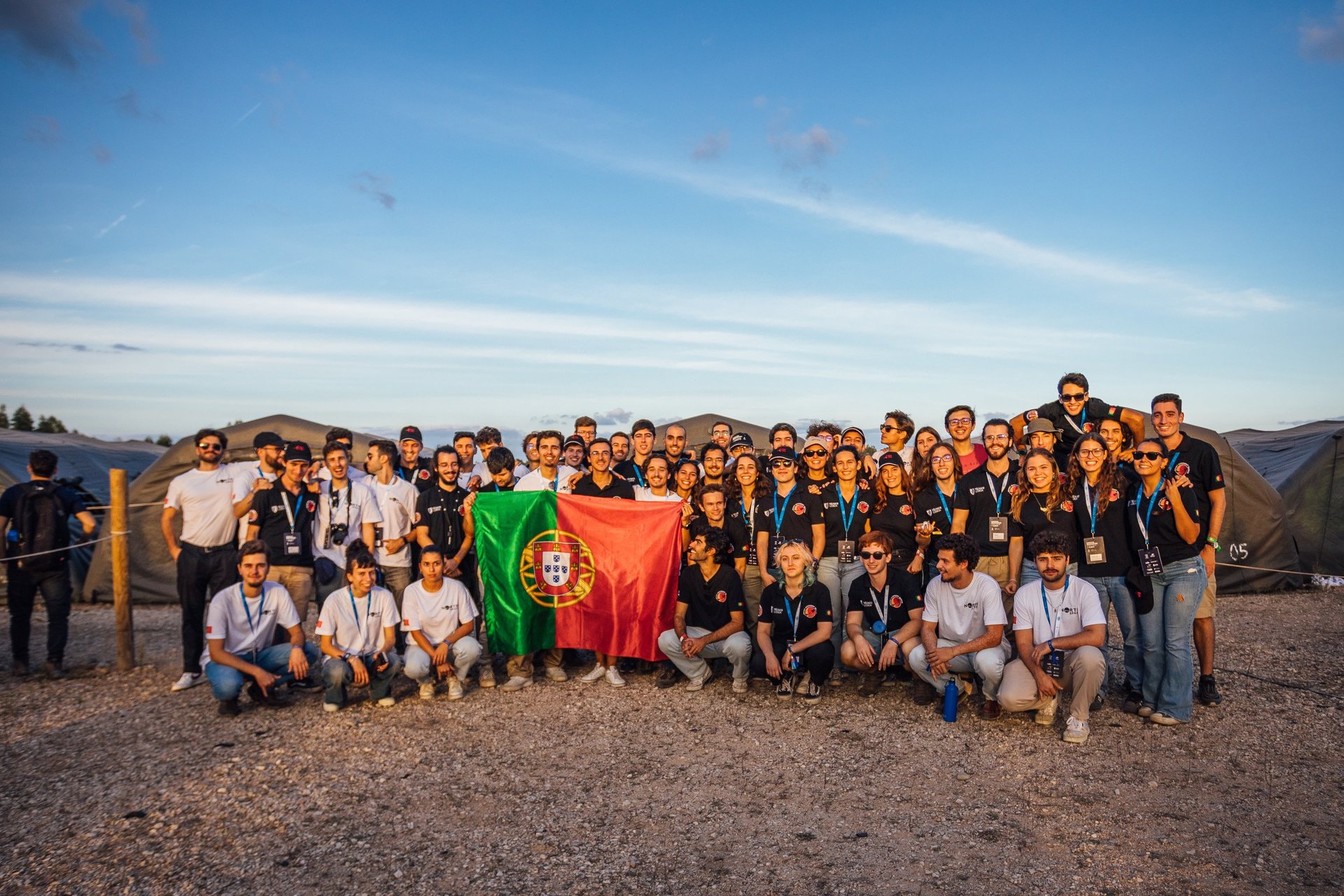
Developed entirely by students, SPATI-I served as a foundational learning platform, establishing engineering methodologies, testing procedures, and team workflows that would shape future North Space projects. It laid the technical and organizational groundwork for the evolution of the SPATI program and the association’s continued growth in experimental rocketry.
873 m
27.7 kg
158 mm
Diameter
Weight
Apogee
2433 mm
Length
Motor: COTS Cesaroni Pro-98 8088M1790-P
Fuel: COTS Rocket Candy
Payload: E. Coli Bacteria stress of flight
Flight Computer: COTS - CATS Vega
Ground Station: COTS - CATS Computer
Nosecone Ejection System: Black Powder Charges
Main Parachute: COTS Fruity Chutes IFC-84-N
Drogue Parachute: SRAD Annular
Fibers: COTS Glassfiber
Nosecone: Conic
Characteristics

Simulations: Trajectory using RocketPy
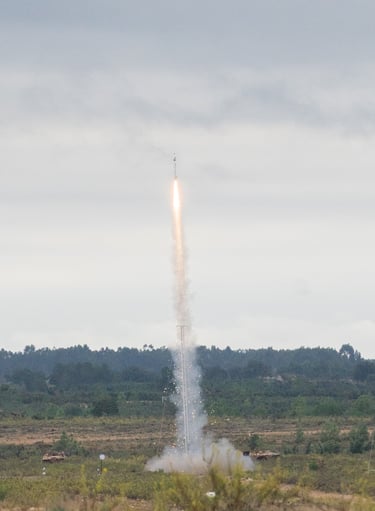
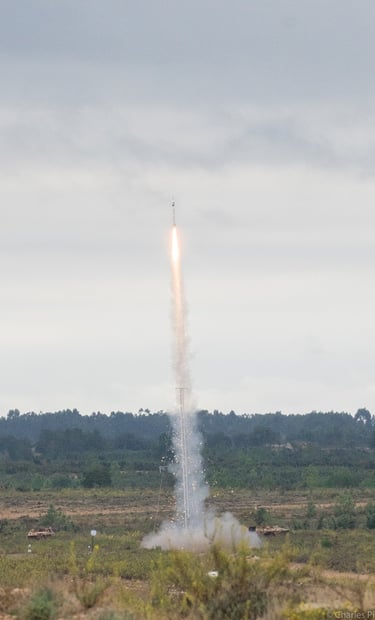
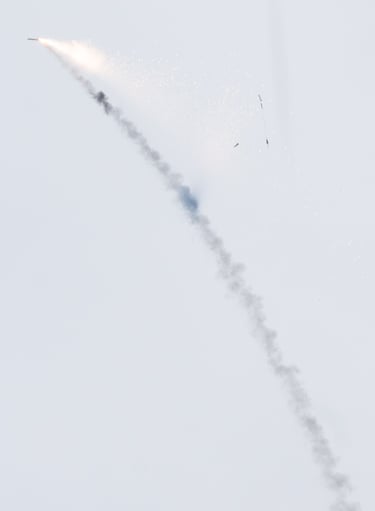
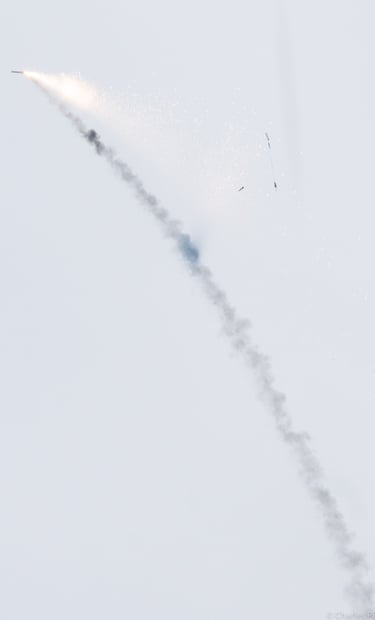
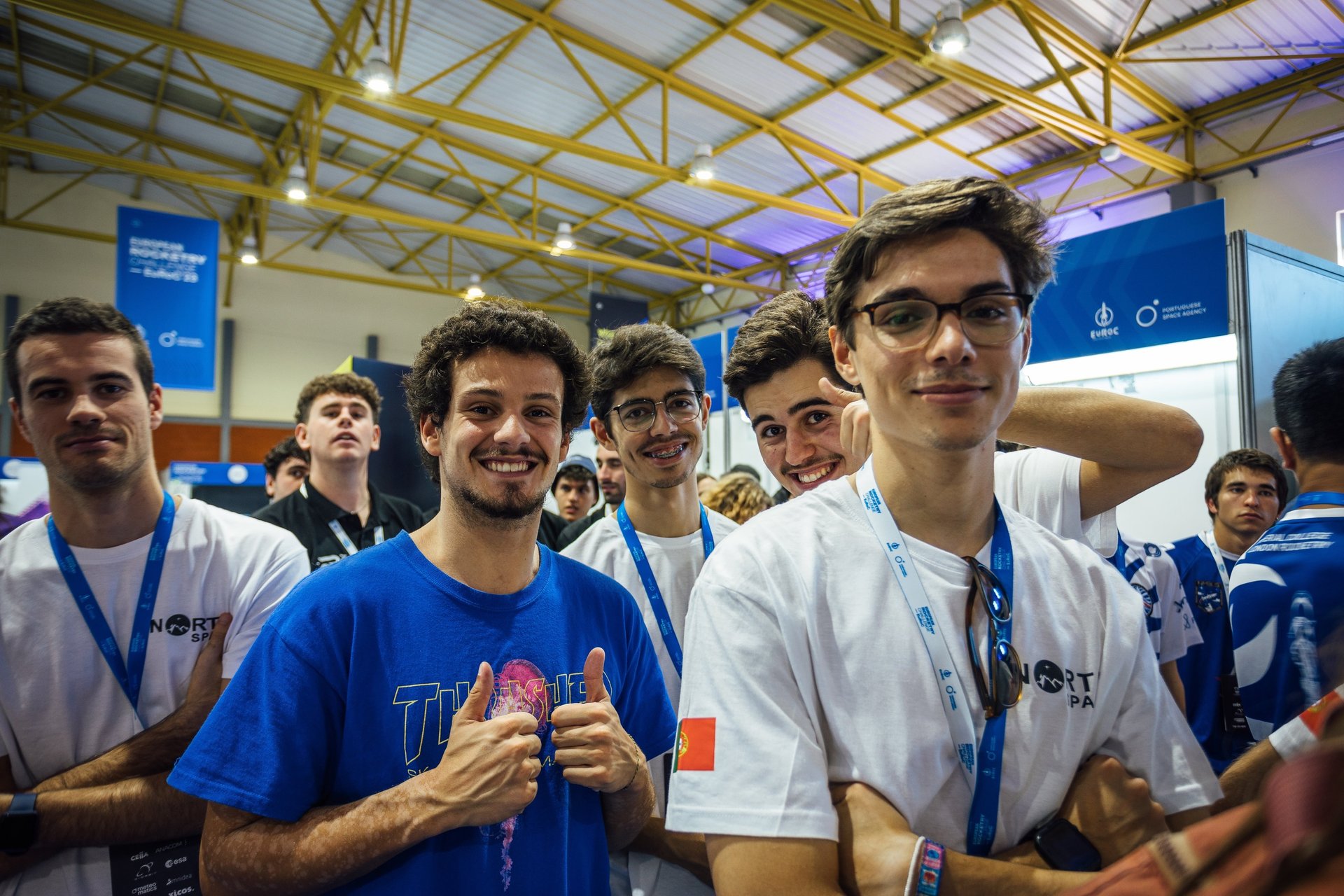
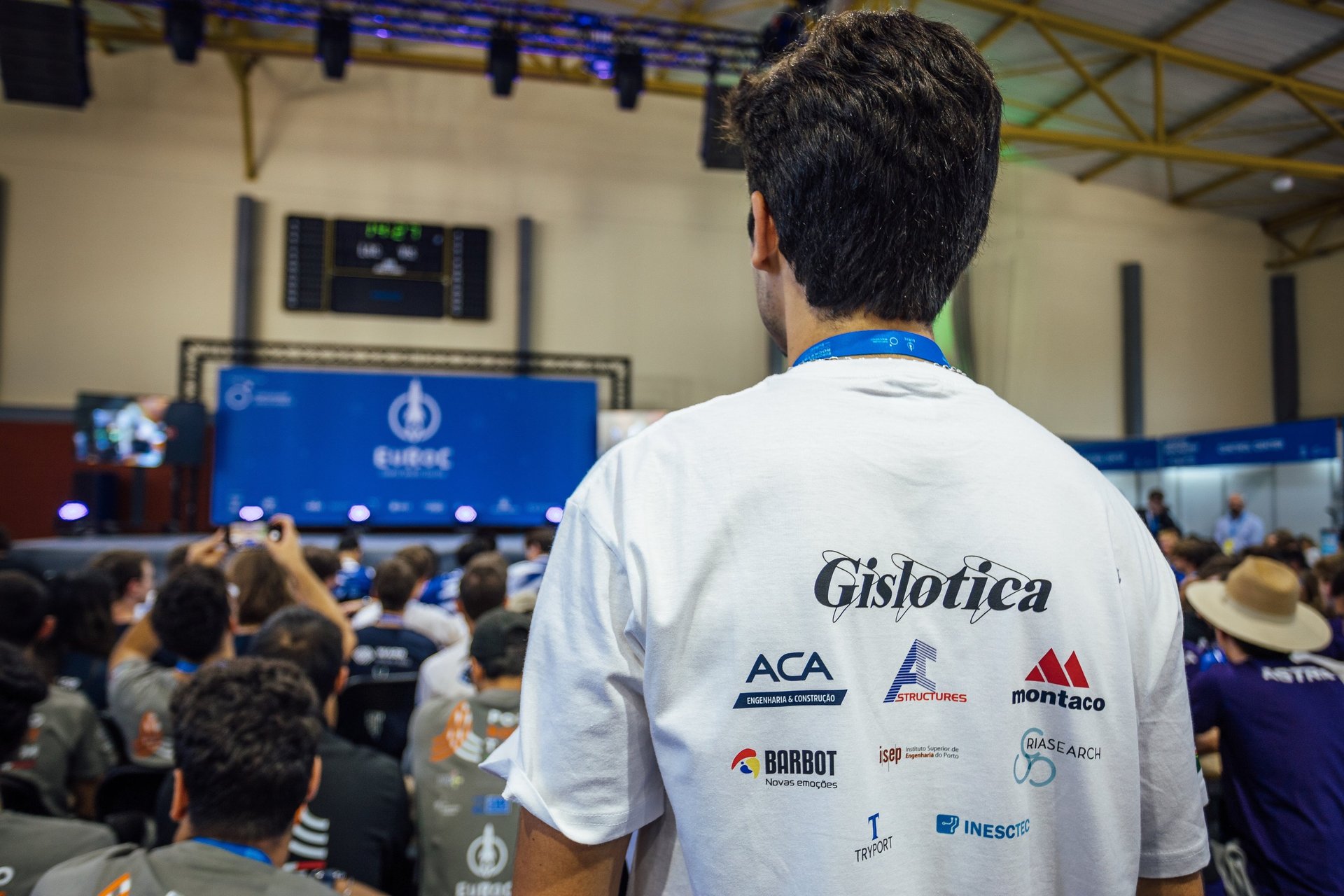
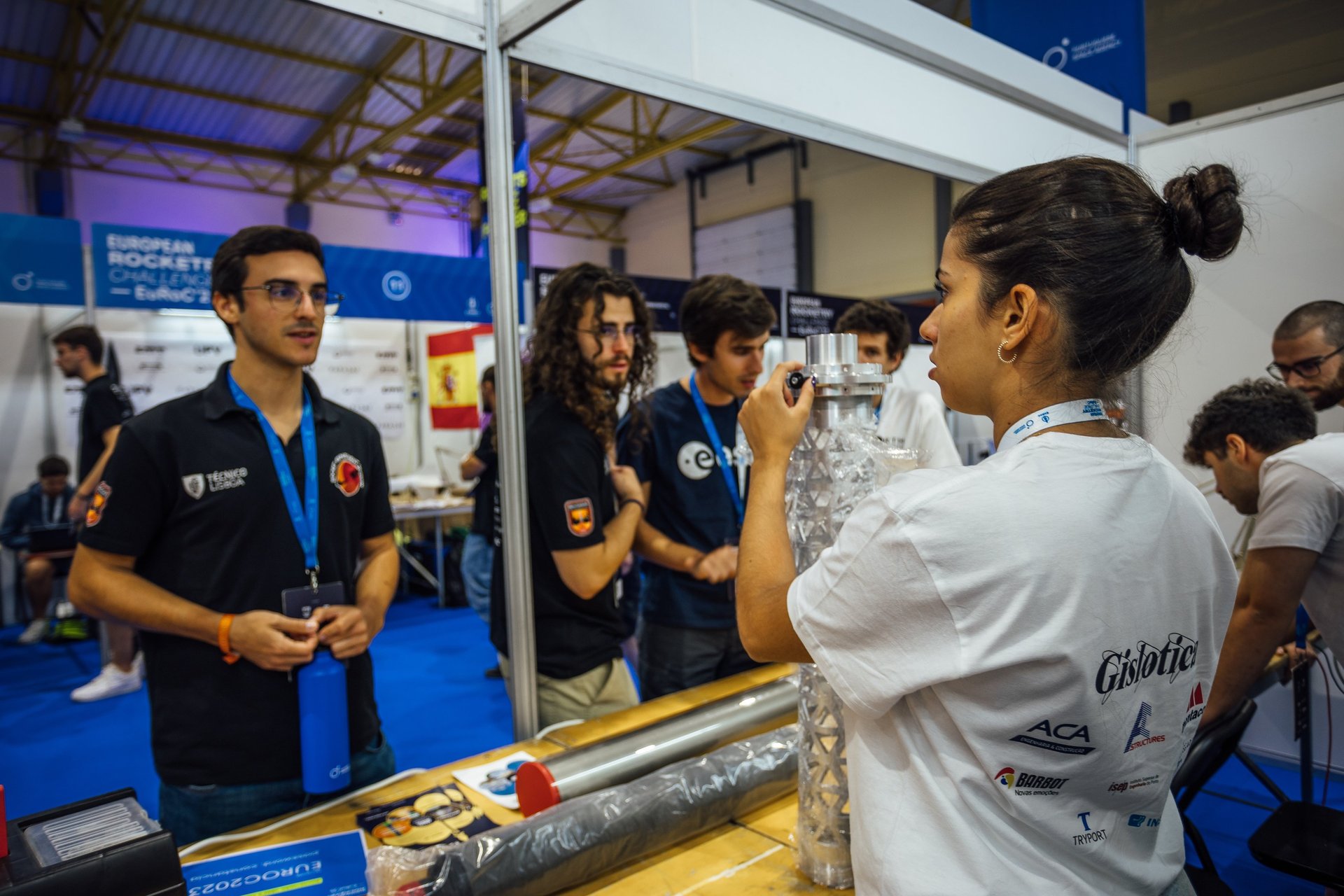
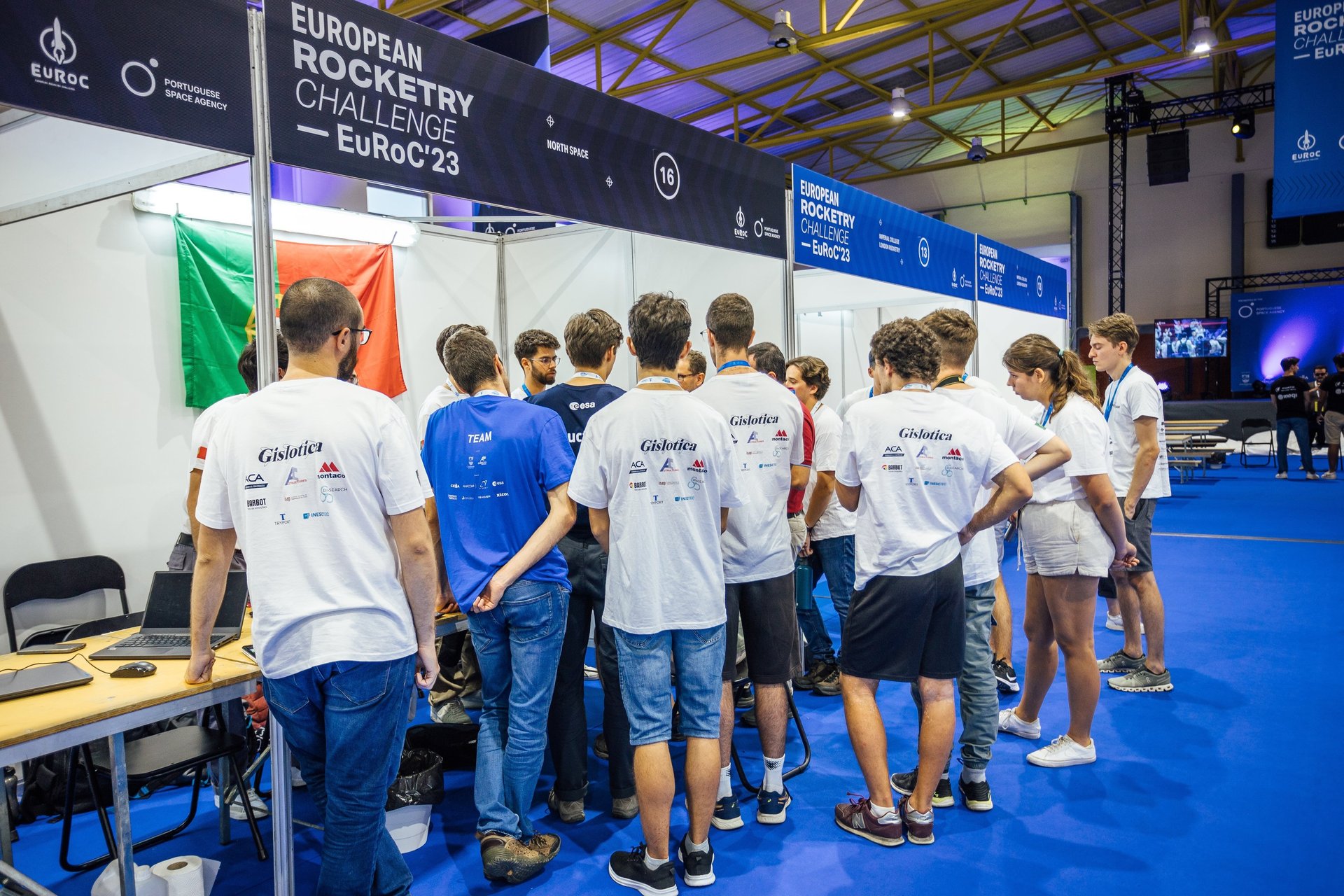
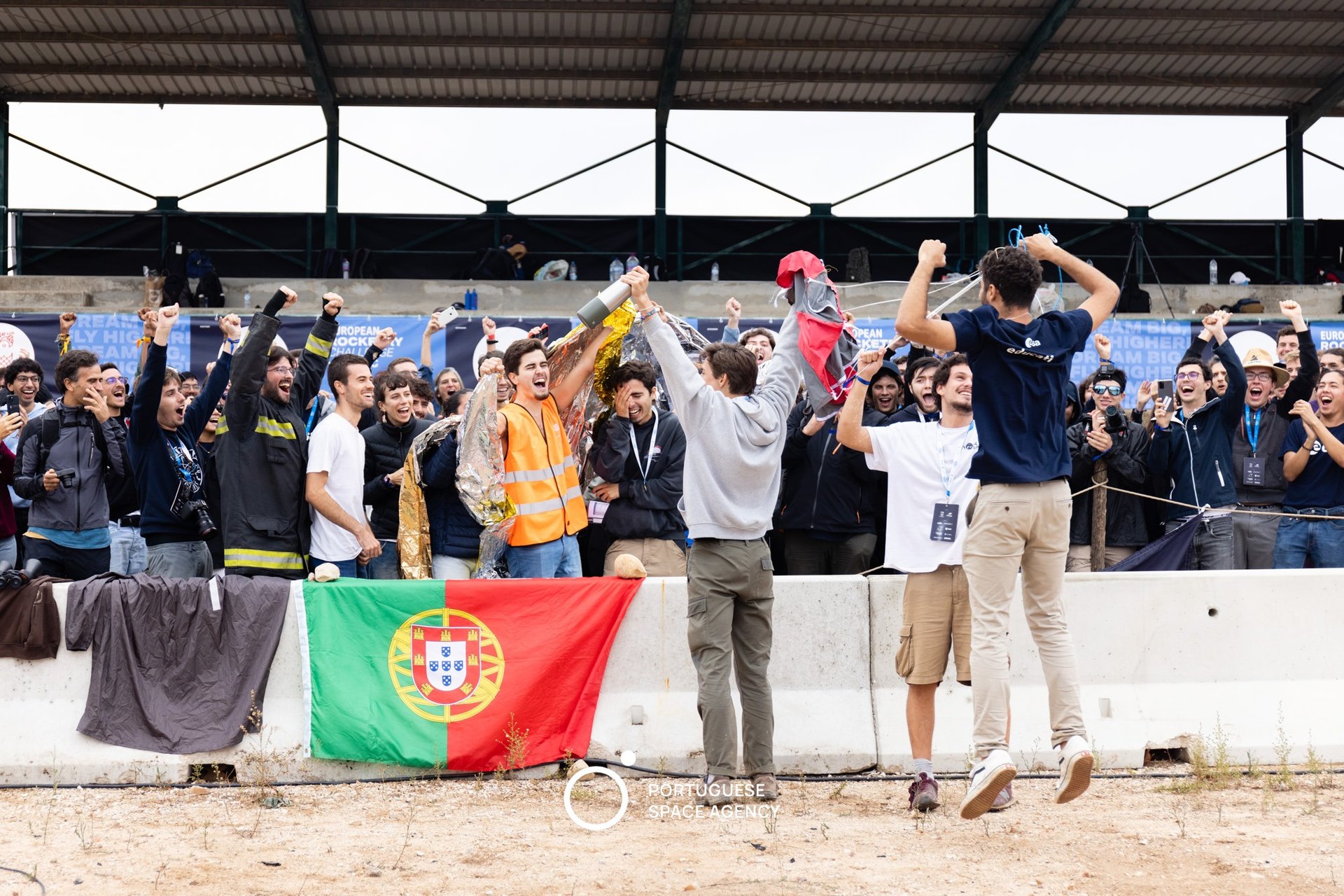
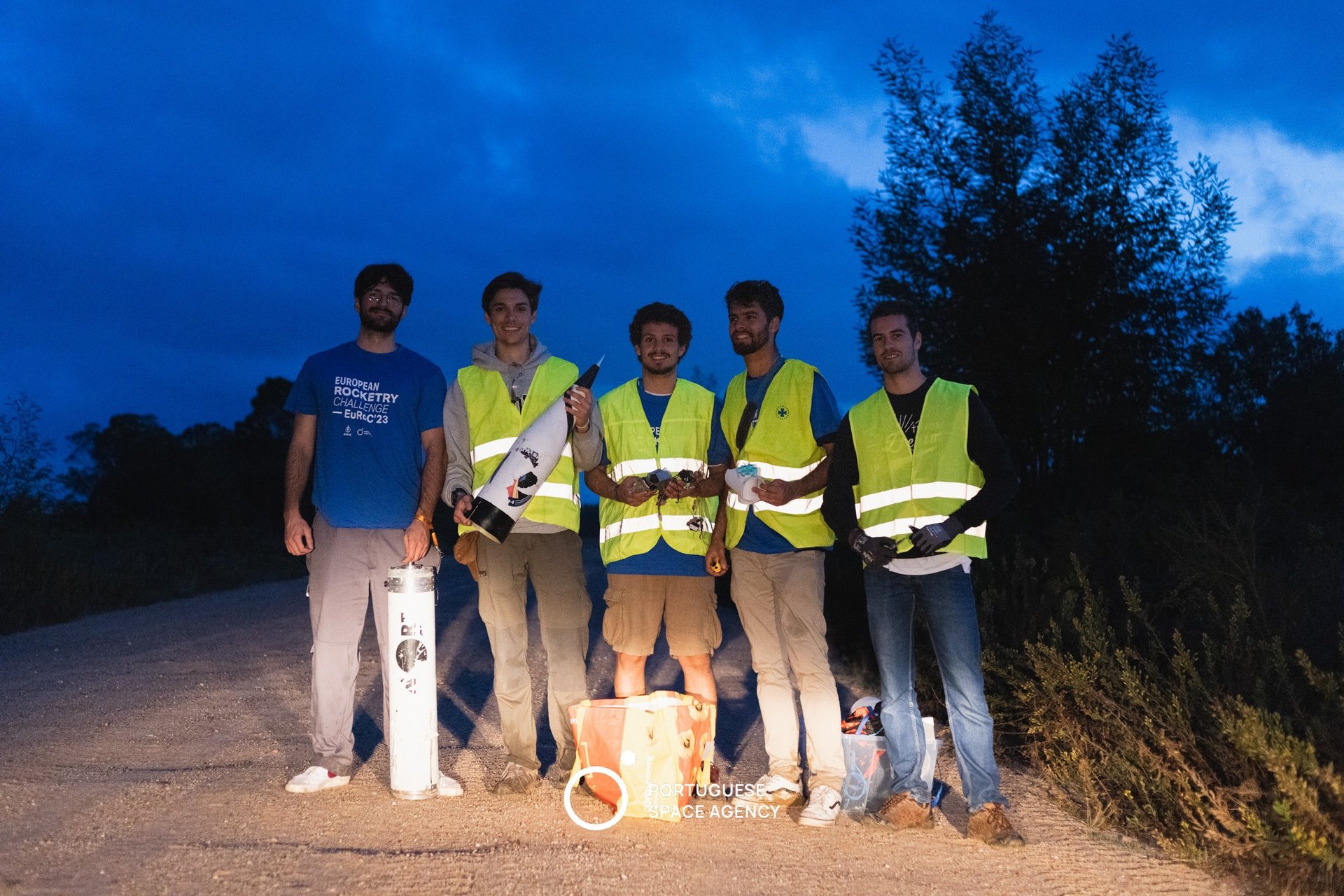
Launched at EuRoC 2023
342 m/s
Max Velocity
59.8 m/s
Max Acceleration
2
Flight
Teams


Payload and Recovery
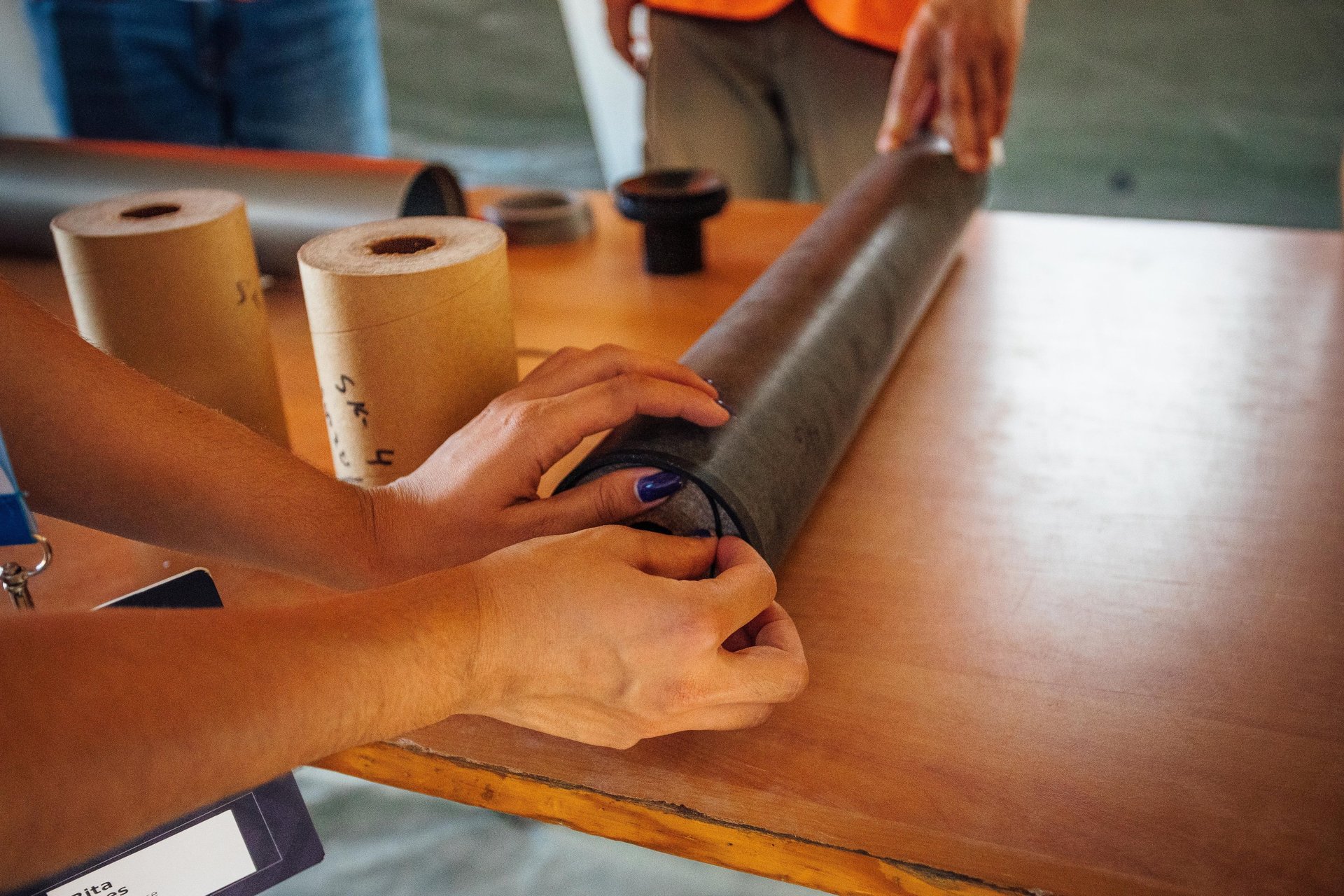
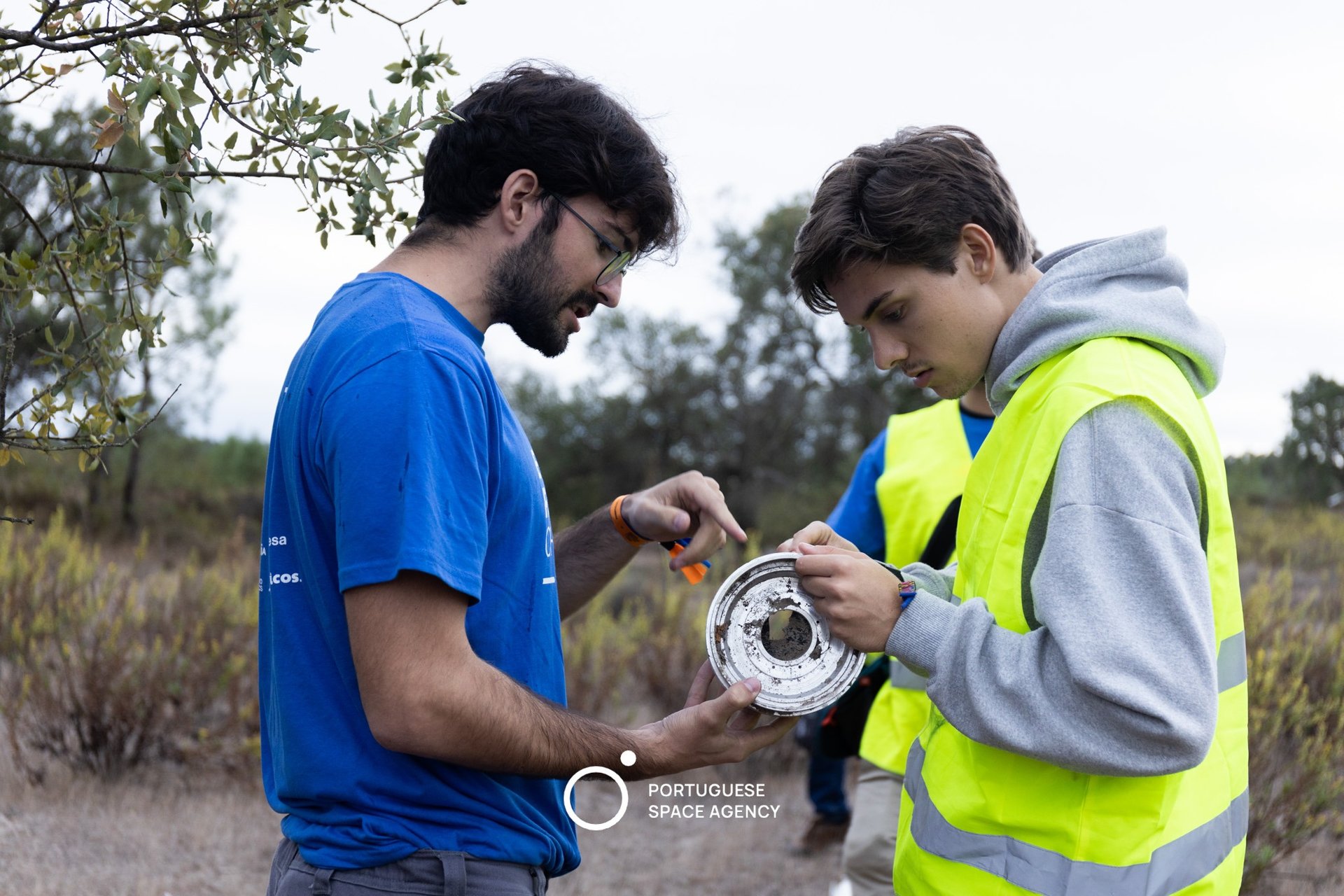
Responsible for the safe return of the vehicle using a dual-event parachute recovery system. Developed and integrated the scientific payload to study bacterial stress responses during flight.
Avionics
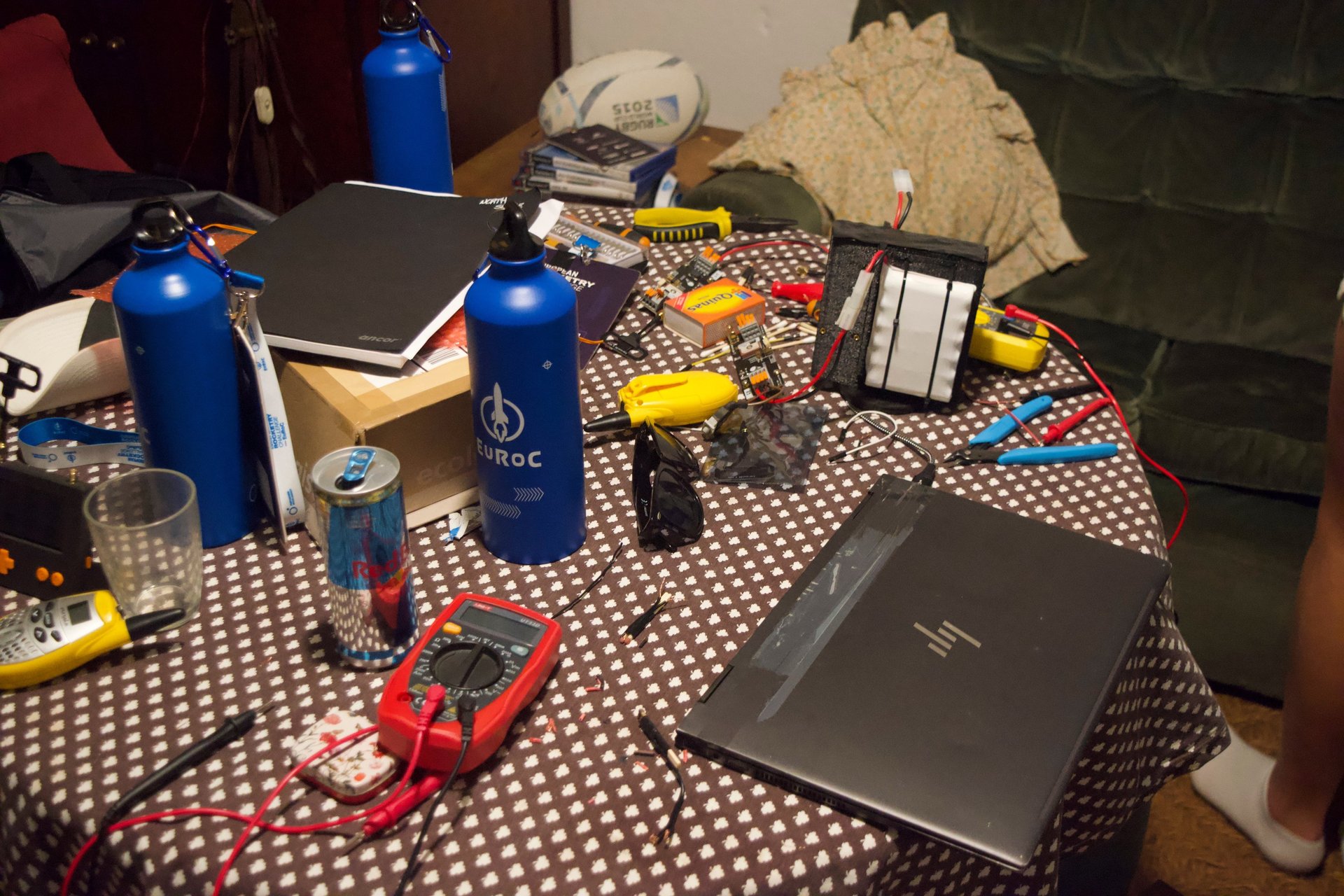
Responsible for the rocket's electronic architecture and redundant flight computers. Managed critical event triggering, data acquisition, and the real-time telemetry link to the ground station.
Structures and Propulsion
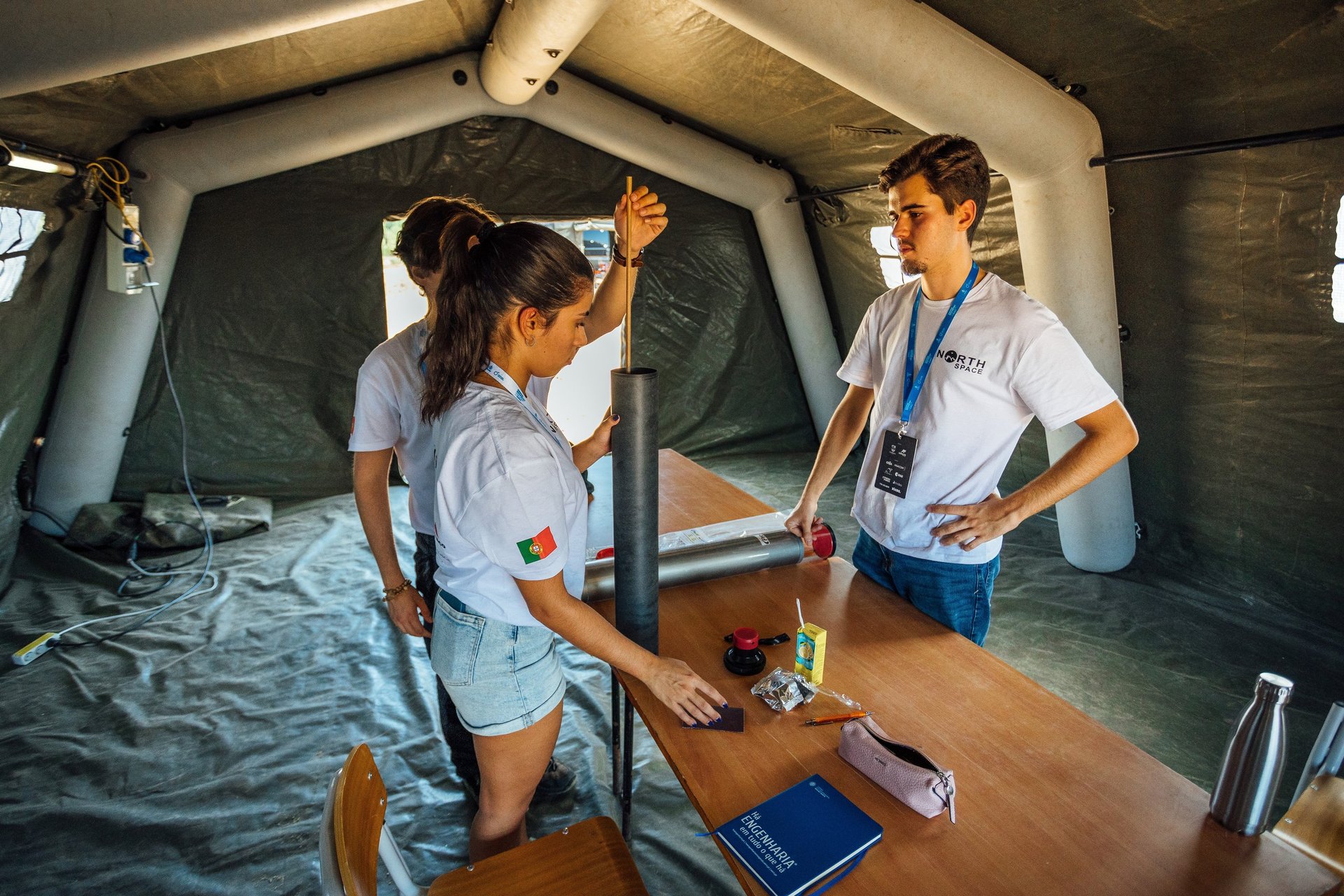
Responsible for the mechanical design and structural integrity. Carried out simulations to predict flight behaviour and performance, supporting design decisions throughout the project.




CONTACT US

© 2025, North Space – Associação de Estudantes para a Exploração Espacial – Todos os direitos reservados.
Climb Your Perspective
Rua de Mouzinho da Silveira 234 6/8,
4050-417, Porto, Portugal